Dutch inventor aims to reduce 90% of plastic waste in the world’s oceans by 2040
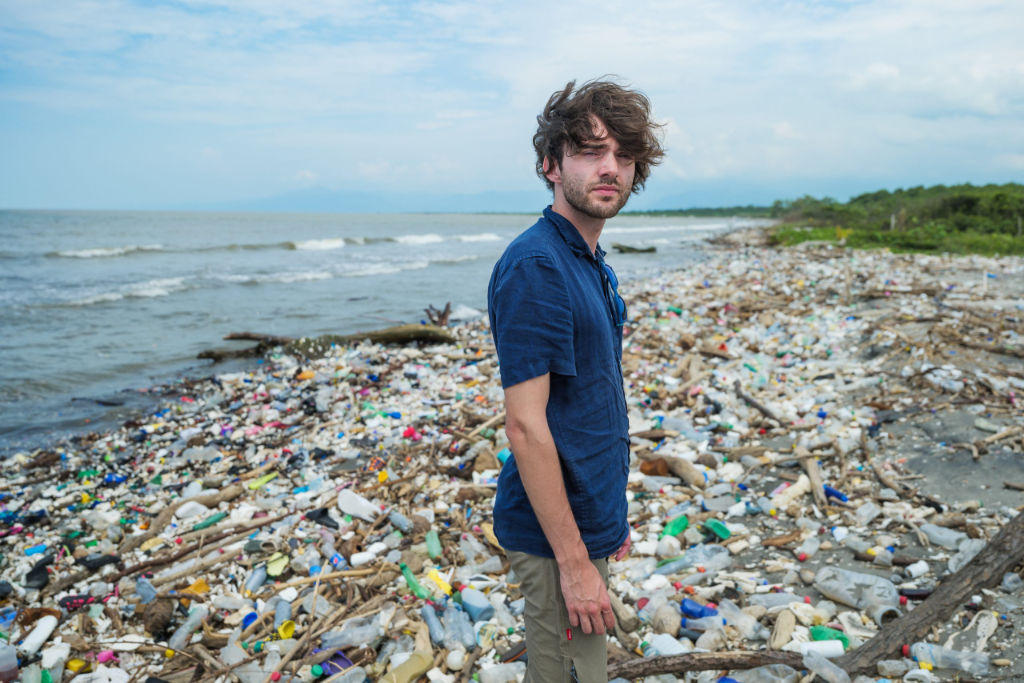
We could reduce the amount of plastic waste in the world’s oceans by 90 percent by 2040 — and for less than $1 billion USD. At least that’s what 31-year-old Dutch inventor Boyan Slat, who runs the Ocean Cleanup project, believes.
Slat’s strategy for this is to set up floating barriers in rivers that capture the plastic waste using autonomous “interceptor” boats, and thus get to the plastic waste before it reaches the sea. And by focusing on just 30 specific spots, Slat believes the amount of plastic reaching the sea could easily be reduced by a third. Slat aims to tackle these 30 spots by 2030, a programme which he estimates would cost about $350 million USD.
One such place is the Motagua river in Guatemala, one of Central America’s most polluted rivers, which sends about 18 million kilograms of rubbish into the ocean each year. “That one river is about 2 percent of global plastic emissions,” Slate said to Positive News magazine.
The world needs a success story. There is a lot of pessimism, a lot of fatalism, especially among people of my generation. But if we can say, ‘There was a time when the oceans were filled with plastic, that two thirds of the planet was polluted, and then we solved it’ – I think that will be a case of action inspiring action.
— Boyan Slat, founder of the Ocean Cleanup organization.
The system is already in use in several places across Indonesia, India, Colombia, the Philippines, and the Caribbean. According to the Ocean Cleanup organization, they have so far removed nearly 50 million kilograms of plastic waste from rivers and oceans around the world. Slat and his organization also have plans on clearing existing accumulation zones, such as the great Pacific garbage patch.